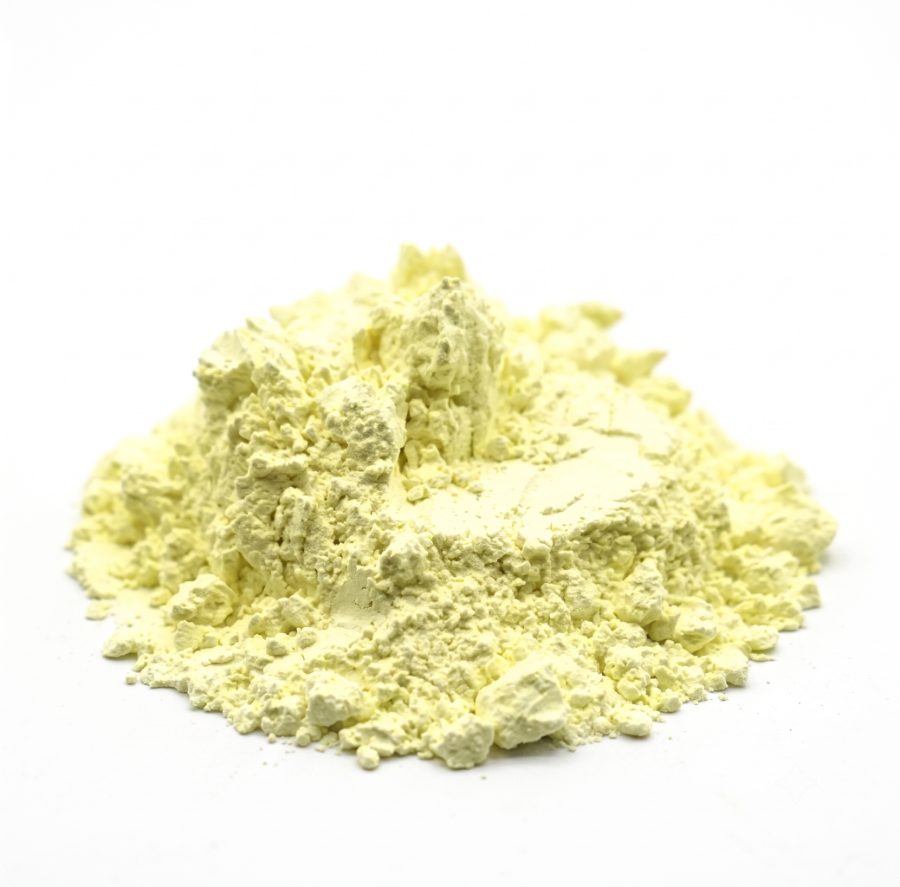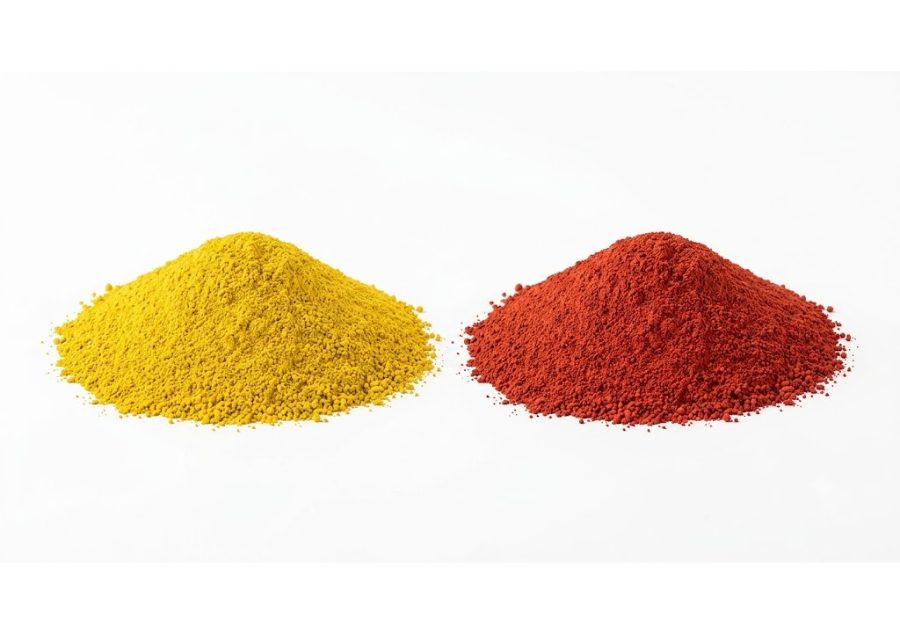
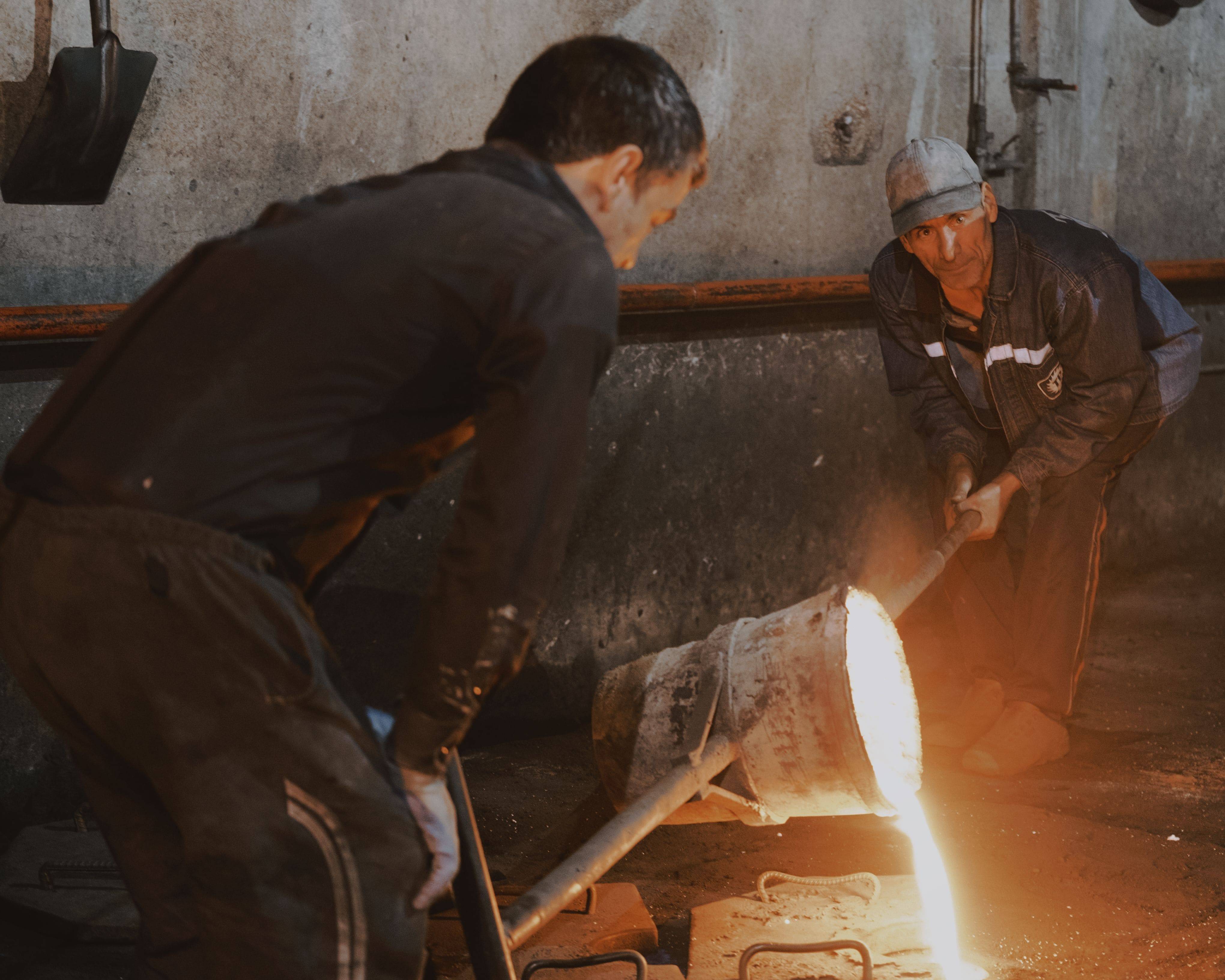
A fire assay flux is not a single chemical — it is a blend of litharge, borax, soda ash, silica, and a reducing agent, each playing a specific role in the fusion: fluxing the gangue, adjusting the melt's viscosity, and controlling how much lead metal is generated to collect the gold and silver.
Labs that mix their own flux in-house are, in effect, running a small formulation operation alongside their assay work — weighing and blending multiple raw materials for every batch, with every weighing step introducing another opportunity for variance between fusions.
That variance matters more in fire assay than in most analytical methods, because the technique depends on complete, consistent lead collection during fusion. A flux blend that is slightly off on reducing agent or litharge ratio does not fail visibly — it just produces a lead button that collects the sample's gold less completely, and the assay reports a lower grade than the ore actually contains.
A pre-blended flux removes that variable. The formulation is fixed and repeatable from batch to batch, so the lab's fusion results reflect the ore being tested rather than drift in how the flux happened to be weighed out that day.
GGI Chemicals supplies both the pre-blended flux and the high-purity litharge that goes into it, so labs and mine-site assay operations get a consistent, ready-to-use input for what is arguably the most failure-sensitive step in the entire assay process.