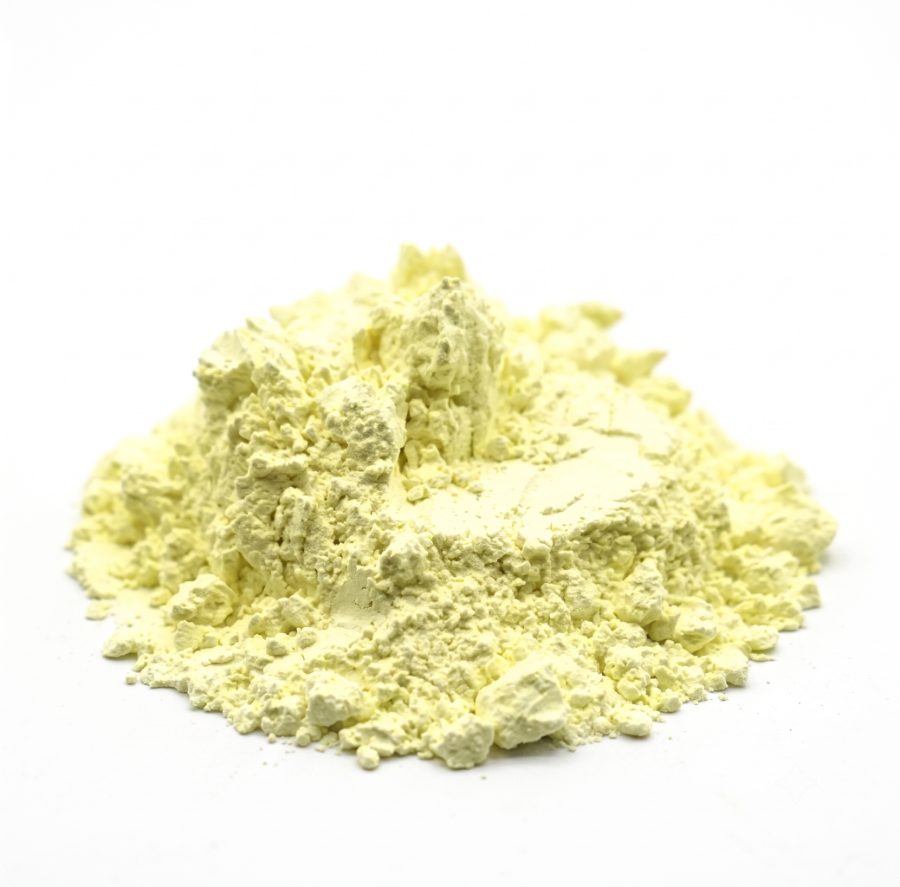
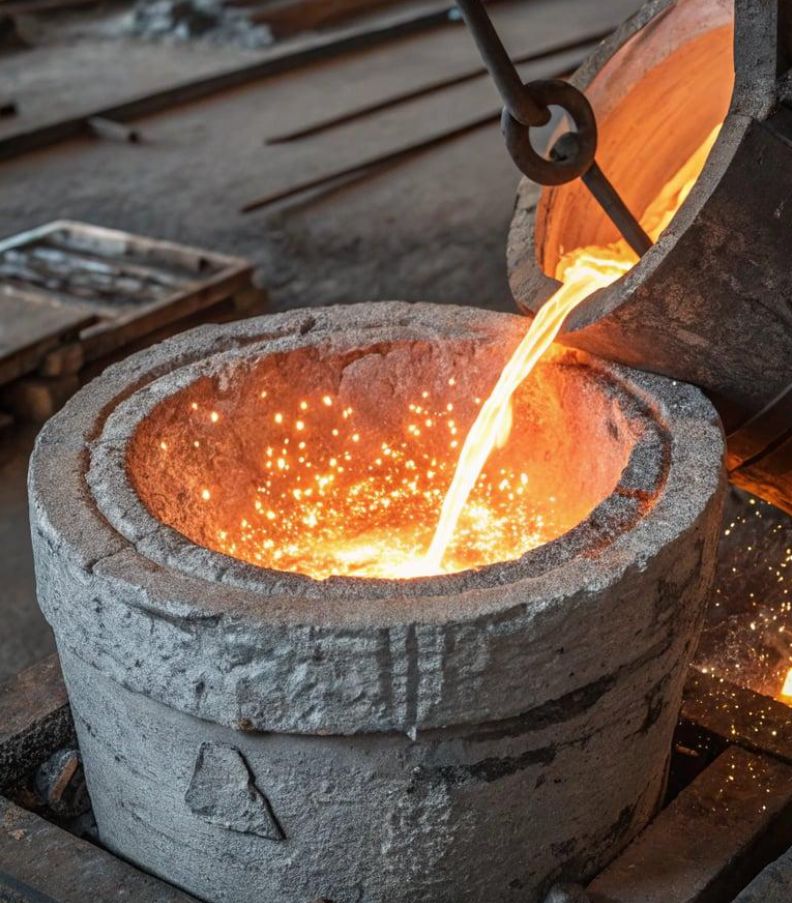
Fire assay remains the industry-standard method for determining precious metal grade in ore, and it starts with flux. A typical fire assay flux is a pre-blended mixture of litharge, borax, soda ash, silica, and a reducing agent — formulated specifically for the fusion stage.
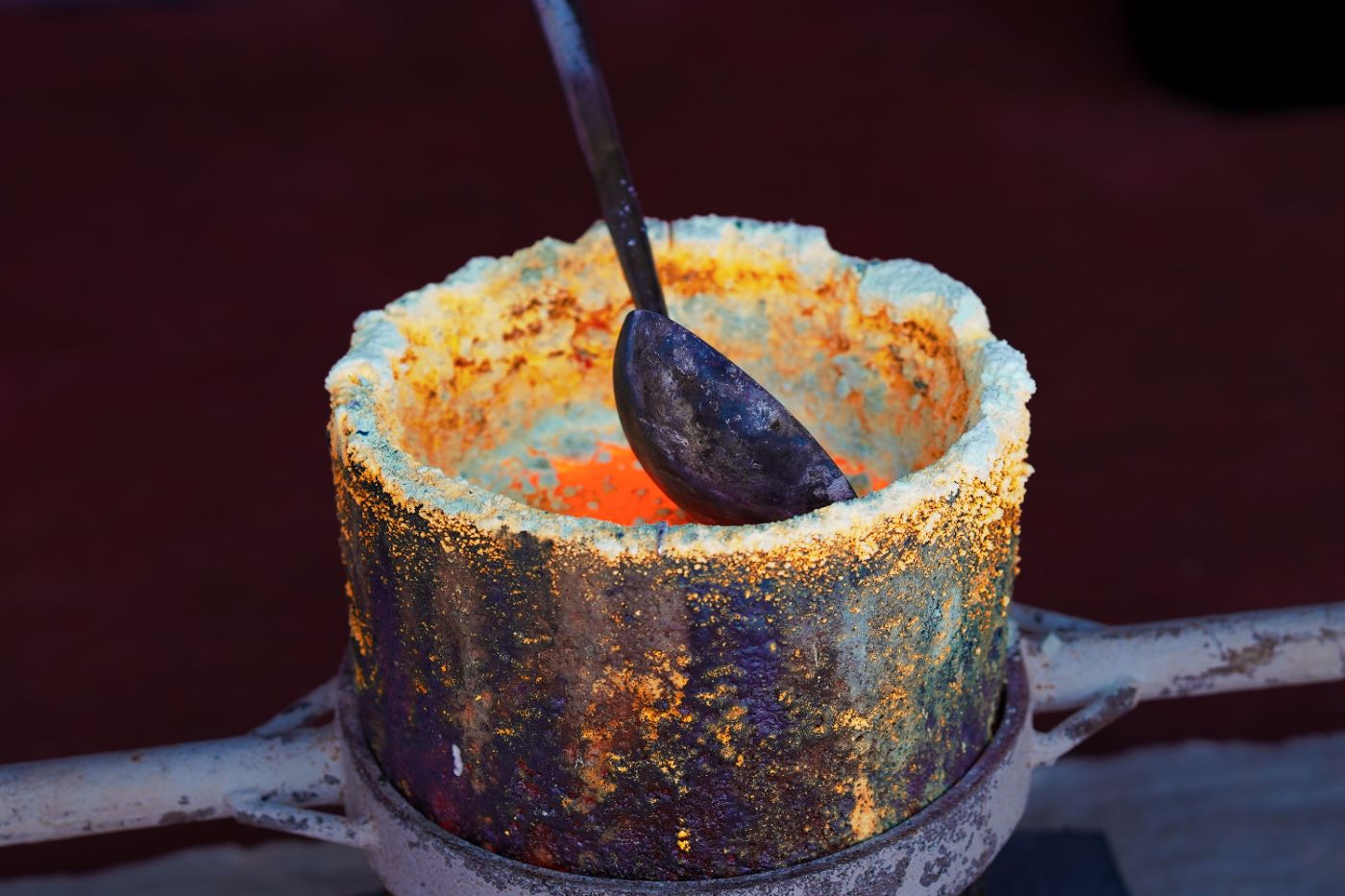
During fusion, the crushed ore sample is mixed with flux and heated in a furnace. The litharge (lead oxide) is reduced to metallic lead, which sinks through the molten charge and collects the gold and silver present in the sample as it falls — concentrating precious metals that would otherwise be spread through grams of ore into a few grams of lead.
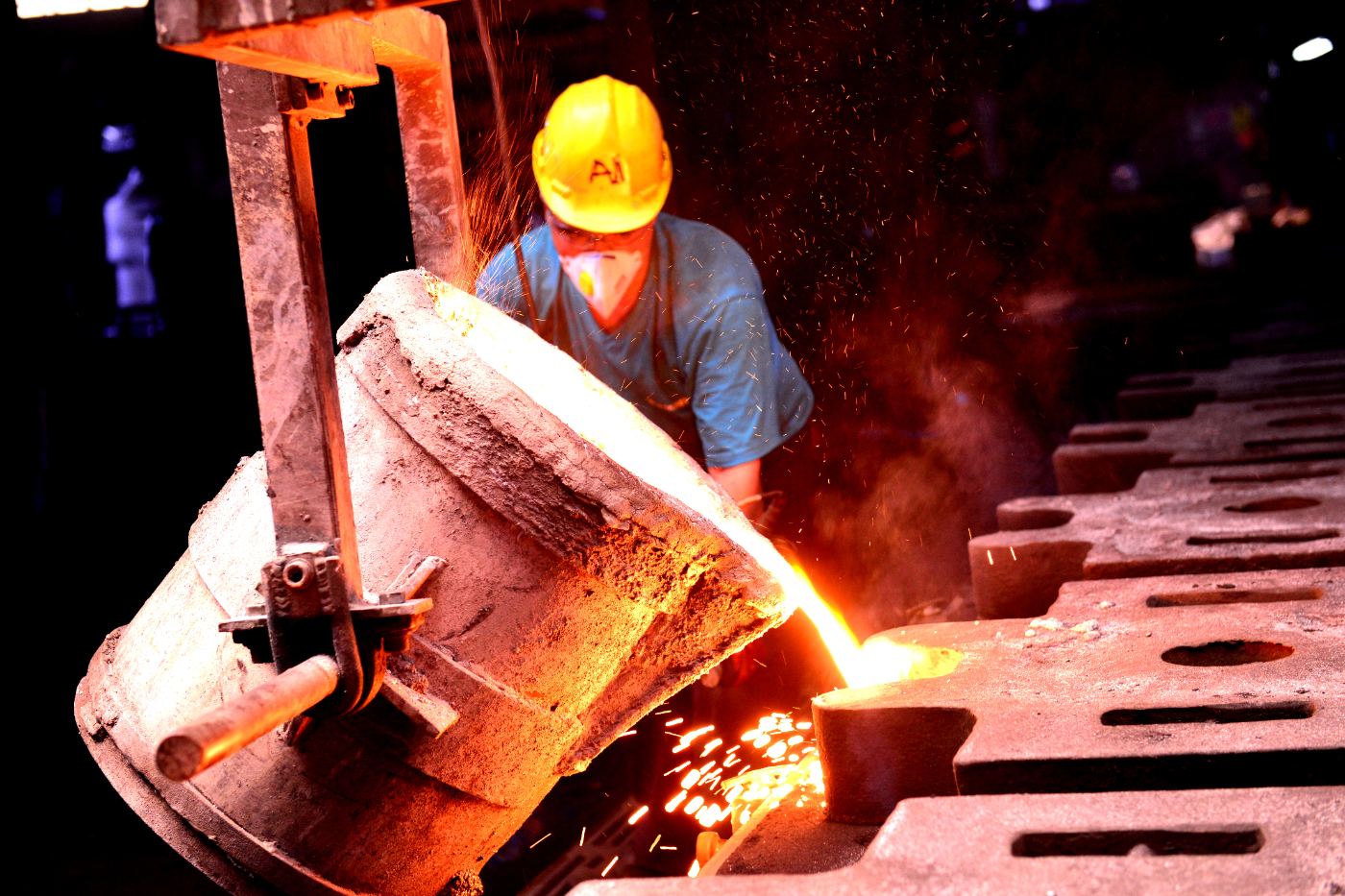
That lead is cast into a "button," which then goes through cupellation: a second heating step in an oxidizing atmosphere that oxidizes and absorbs the lead into a bone-ash cupel, leaving behind a small bead of pure gold and silver. That bead is what gets weighed to determine ore grade.
Because the entire result depends on complete, consistent lead collection during fusion, flux quality and litharge purity are not a minor input — they are the assay. Inconsistent flux composition shows up directly as inconsistent, unreliable grade results.
GGI Chemicals supplies both high-purity litharge and pre-blended fire assay flux, giving labs and mine-site assay operations a consistent, ready-to-use input for this critical step.